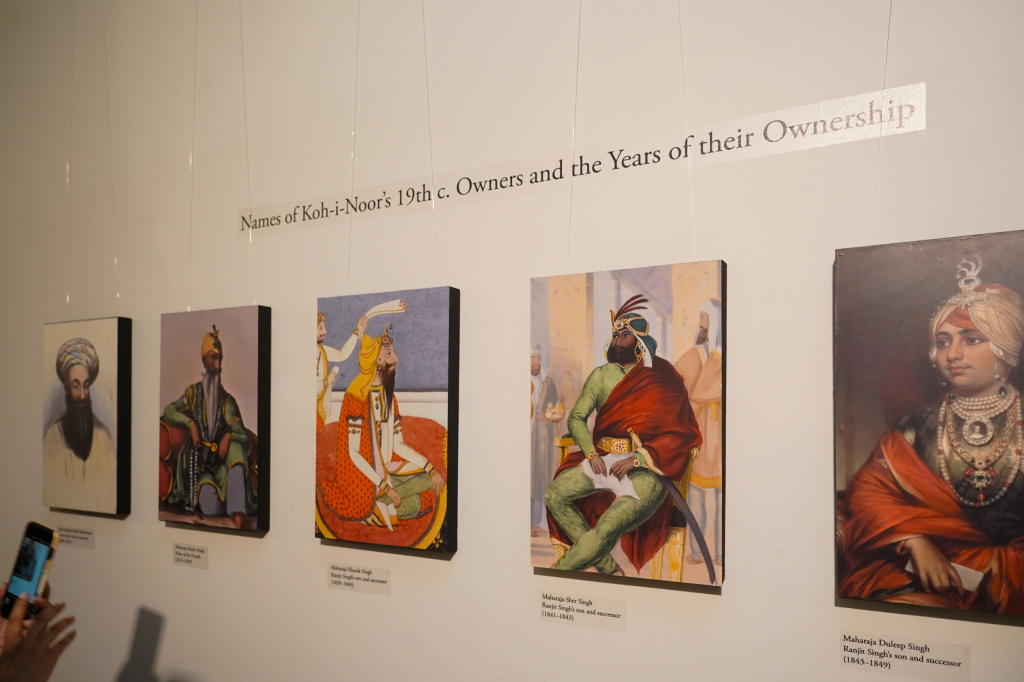
Maharaja Ranjit Singh ruled the Punjab for forty years: 1799–1839 CE. During these four decades, he transformed, almost singlehandedly, a volatile region battered by successive Afghan incursions into a unified, formidable, and economically revived empire. His court at Lahore (the Lahore Darbār) and his treasury (the toshakhāna) became legendary for the magnificence of the material culture they held and showcased. These items were not purely for the consumption of the ruler and his close family; they also served an important role in the Maharaja’s court ritual of gift-giving. While some of these objects were obtained through conquest, most were manufactured by a sustained, thriving industry of gold and silversmits, engravers, and other skilled artisans.
Punjab was annexed on March 29, 1849, and the toshakhāna riches became the “Lahore Confiscated Property” in the hands of East India Company. While one portion was sent off to Queen Victoria and her family, that included the Koh-i-Noor, many valuable objects were seized by different company officials. The remaining lot was offered for public sale through a number of successive auctions held at the Lahore Fort. The toshakhāna was thus emptied.
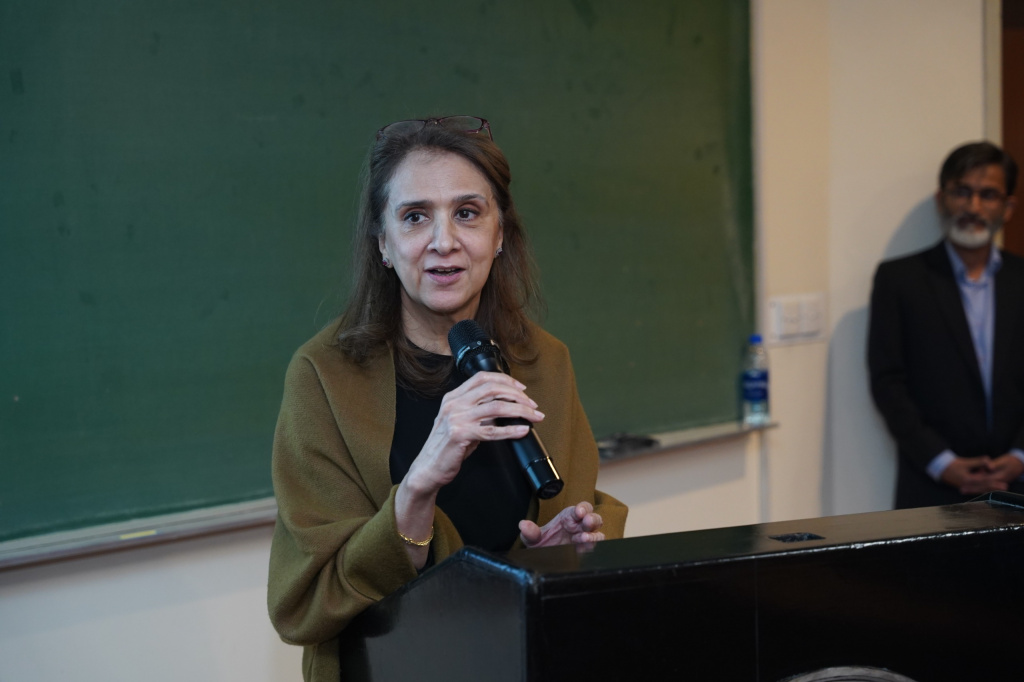
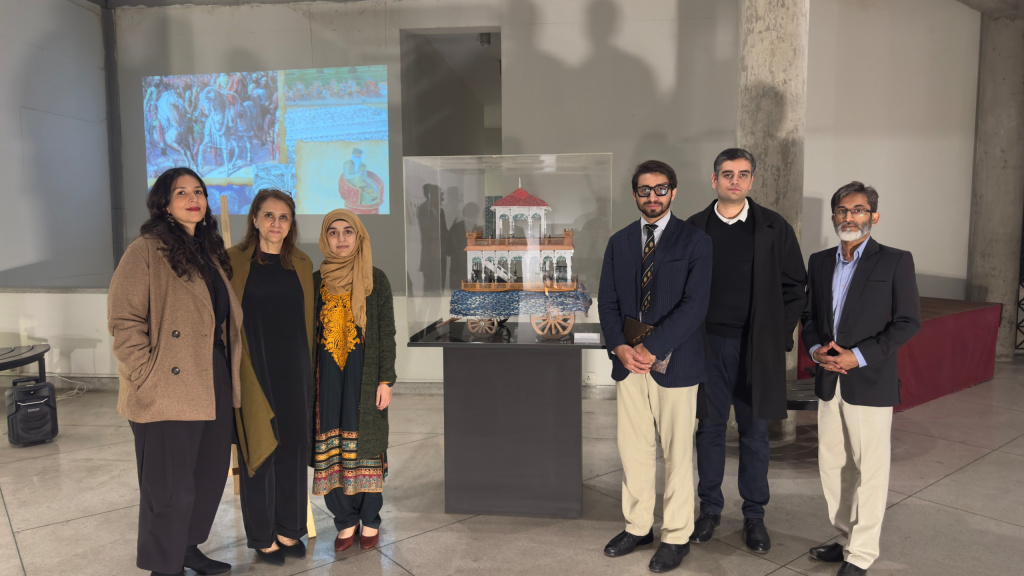
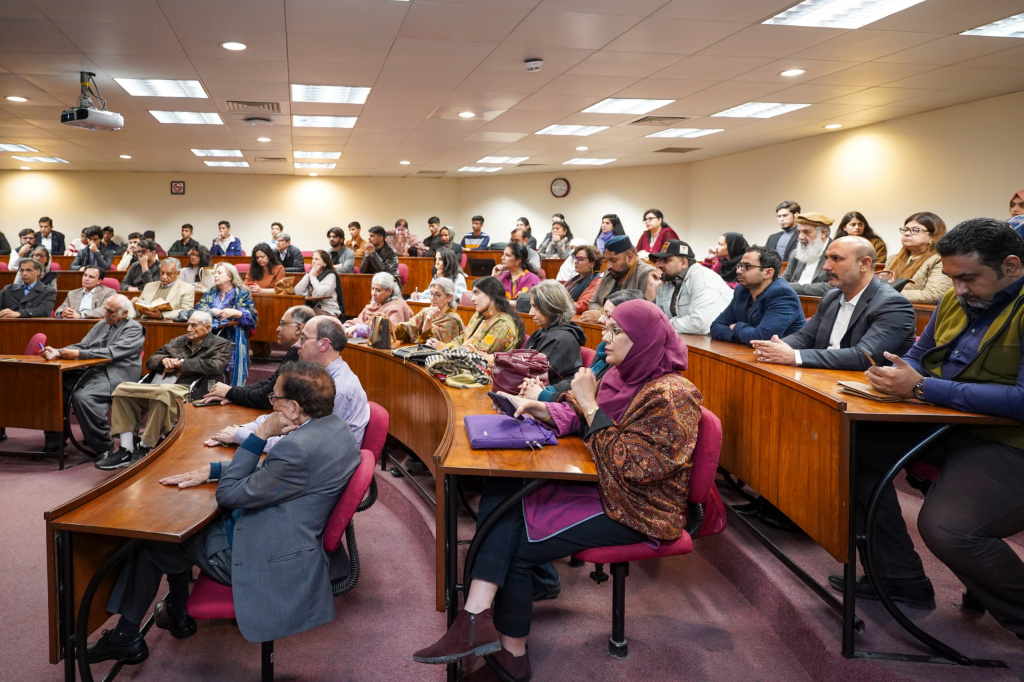
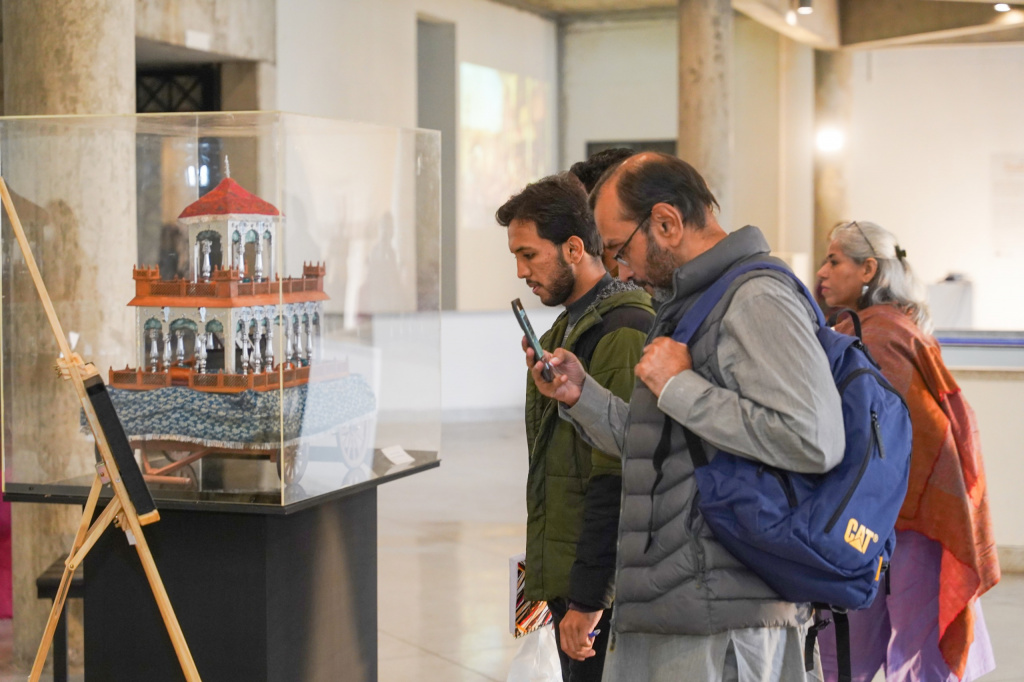
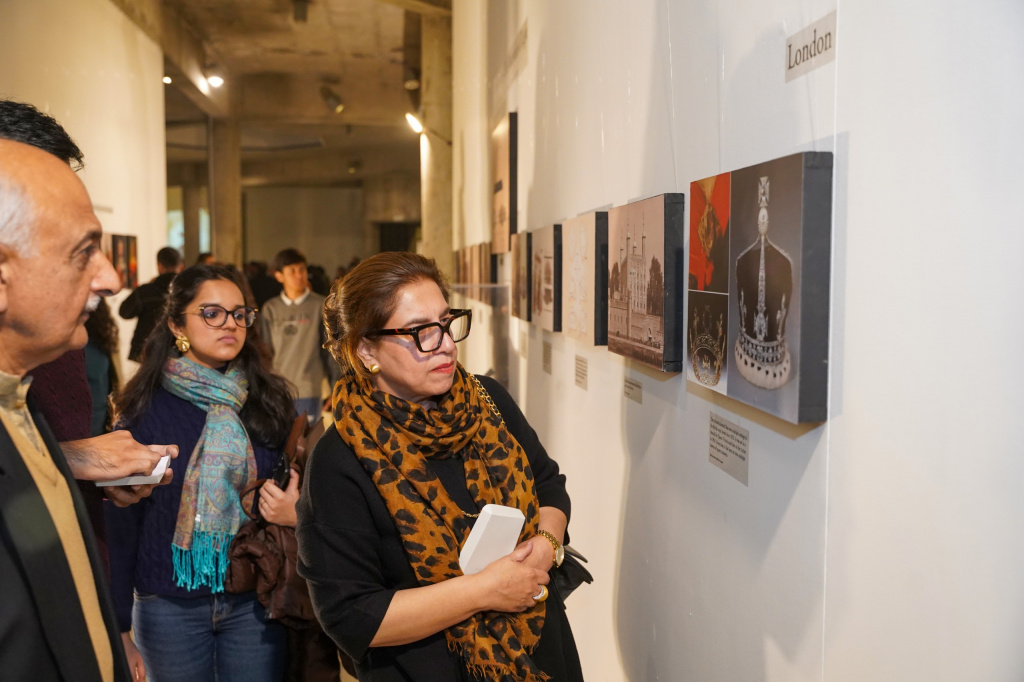
A multisensory exhibition hosted at LUMS (12th–19th December, 2025) traced the journeys of famous artifacts from the Lahore Fort toshakhāna to different destinations through infographics and short video narratives alongside a few reimagined models of the ones lost at the hands of the East India Company. Curated by two LUMS faculty members: Dr. Nadhra Shahbaz Khan (art and architectural historian), and Dr. Murtaza Taj (computer science expert), it shed light on the senselessness of colonial looting while emphasizing the excellence of the society that had helped produce most of the toshakhāna collections. The exhibition displays unfolded the vibrant social, cultural, and aesthetic world of Lahore—and, by extension, the 19th century Punjab. The intention was not to mourn what has been lost, but to recall, reimagine, and then read these objects as living portraits of their age—of the hands that shaped them, the eyes that admired them, and the overall refined aesthetics of a society that brought them into being.